Buy bis-zum-tod.eu ?
We are moving the project
bis-zum-tod.eu .
Are you interested in purchasing the domain
bis-zum-tod.eu ?
domain@kv-gmbh.de · 0541-91531010
Buy bis-zum-tod.eu ?
Is the LAN cable STP or UTP?
The LAN cable can be either STP (Shielded Twisted Pair) or UTP (Unshielded Twisted Pair). STP cables have an extra layer of shielding to protect against electromagnetic interference, while UTP cables do not have this additional shielding. The choice between STP and UTP cables depends on the specific requirements of the network and the level of interference present in the environment. **
Do I need a UTP, FTP, or SFTP LAN cable?
The type of LAN cable you need depends on your specific requirements. 1. UTP (Unshielded Twisted Pair) cables are suitable for most home and small office networks as they are cost-effective and provide good performance for short to medium distances. 2. FTP (Foiled Twisted Pair) cables have an extra layer of shielding, making them more resistant to interference and suitable for environments with high electromagnetic interference. 3. SFTP (Shielded Foiled Twisted Pair) cables offer the highest level of protection against interference and are ideal for industrial or commercial settings where there is a high risk of electromagnetic interference. Consider your environment and network needs to determine the most suitable LAN cable for your setup. **


Similar search terms for Utp
Top-Angebote
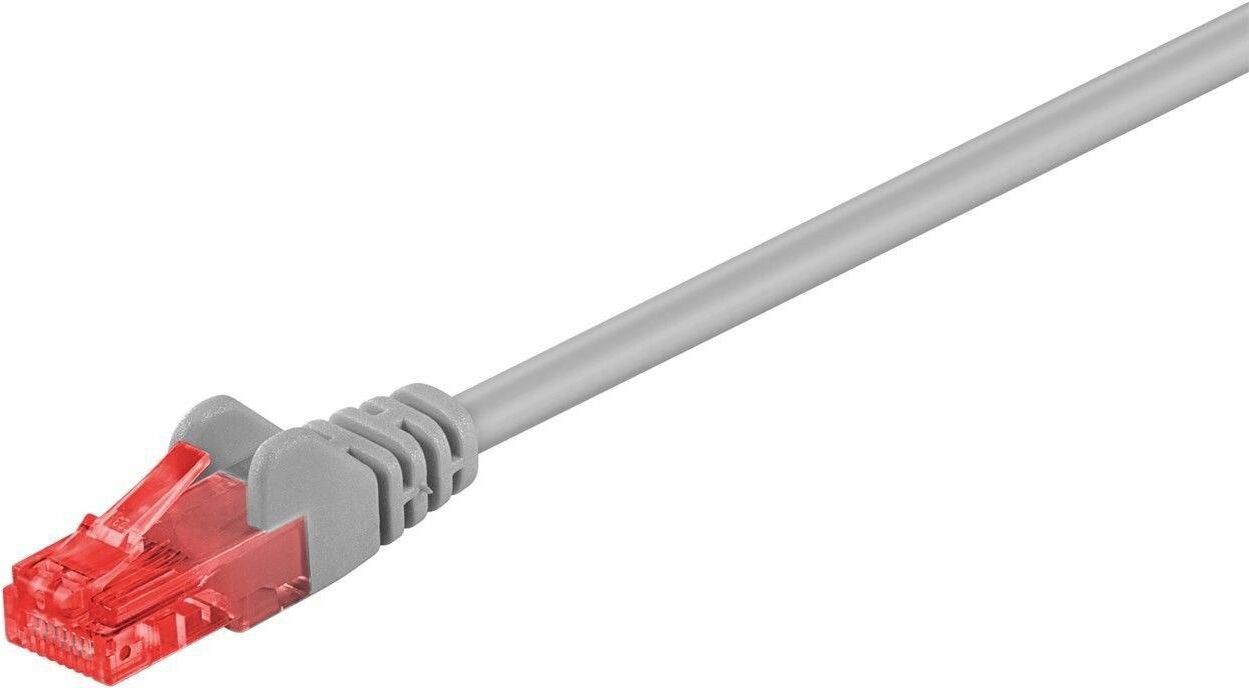
Products related to Utp:



-
Why are there unshielded U/UTP Cat 7 network cables?
Unshielded U/UTP Cat 7 network cables exist because they are designed for specific applications where electromagnetic interference is not a concern. These cables are typically used in environments where there is minimal risk of interference, such as in residential or small office settings. Additionally, unshielded cables are often more cost-effective and easier to install compared to shielded cables, making them a practical choice for certain networking needs. However, it's important to consider the potential for interference when choosing between shielded and unshielded cables for a particular application. **
-
What is the difference between 'zum' and 'bis zum'?
'Zum' is a preposition in German that means 'to' or 'until', while 'bis zum' means 'until'. The main difference between the two is that 'zum' is used to indicate a destination or endpoint, while 'bis zum' is used to specify a point in time or a deadline. For example, 'Ich gehe zum Supermarkt' means 'I am going to the supermarket', while 'Ich arbeite bis zum Abend' means 'I am working until the evening'. **
-
What is the difference between UTP, FTP, SFTP, and LAN cables?
UTP (Unshielded Twisted Pair) cables are the most common type of Ethernet cables used in LAN (Local Area Network) connections. They are made of twisted pairs of copper wires and are not shielded, making them more susceptible to interference. FTP (Foiled Twisted Pair) cables are similar to UTP cables, but they have an additional layer of foil shielding to protect against electromagnetic interference. SFTP (Shielded Foiled Twisted Pair) cables have both foil and braided shielding, providing even more protection against interference. LAN cables, on the other hand, refer to any type of cable used to connect devices within a local area network, including UTP, FTP, and SFTP cables. **
-
What does "bis zum Fristen" mean?
"Bis zum Fristen" is a German phrase that translates to "until the deadline" in English. It is used to indicate the specific time or date by which something needs to be completed or submitted. This phrase is commonly used in academic or work settings to emphasize the importance of meeting a deadline. **

What does "bis zum 30." mean?
"Bis zum 30." is a German phrase that translates to "until the 30th." It indicates a deadline or a specific date by which something should be completed or achieved. For example, if a document is due "bis zum 30. April," it means the document should be submitted by April 30th. **
What exactly does "bis zum" mean?
"Bis zum" is a German prepositional phrase that translates to "until" or "up to" in English. It is used to indicate a specific point in time or a limit in space. For example, "bis zum Ende" means "until the end" and "bis zum Bahnhof" means "up to the train station." **
Top-Angebote
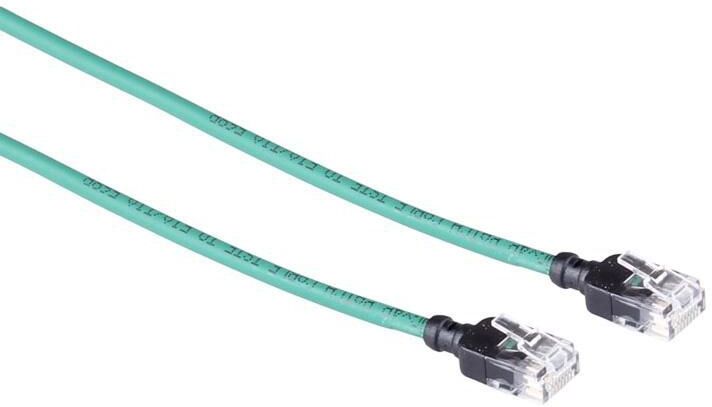
Products related to Utp:
-
Is the LAN cable STP or UTP?
The LAN cable can be either STP (Shielded Twisted Pair) or UTP (Unshielded Twisted Pair). STP cables have an extra layer of shielding to protect against electromagnetic interference, while UTP cables do not have this additional shielding. The choice between STP and UTP cables depends on the specific requirements of the network and the level of interference present in the environment. **
-
Do I need a UTP, FTP, or SFTP LAN cable?
The type of LAN cable you need depends on your specific requirements. 1. UTP (Unshielded Twisted Pair) cables are suitable for most home and small office networks as they are cost-effective and provide good performance for short to medium distances. 2. FTP (Foiled Twisted Pair) cables have an extra layer of shielding, making them more resistant to interference and suitable for environments with high electromagnetic interference. 3. SFTP (Shielded Foiled Twisted Pair) cables offer the highest level of protection against interference and are ideal for industrial or commercial settings where there is a high risk of electromagnetic interference. Consider your environment and network needs to determine the most suitable LAN cable for your setup. **
-
Why are there unshielded U/UTP Cat 7 network cables?
Unshielded U/UTP Cat 7 network cables exist because they are designed for specific applications where electromagnetic interference is not a concern. These cables are typically used in environments where there is minimal risk of interference, such as in residential or small office settings. Additionally, unshielded cables are often more cost-effective and easier to install compared to shielded cables, making them a practical choice for certain networking needs. However, it's important to consider the potential for interference when choosing between shielded and unshielded cables for a particular application. **
-
What is the difference between 'zum' and 'bis zum'?
'Zum' is a preposition in German that means 'to' or 'until', while 'bis zum' means 'until'. The main difference between the two is that 'zum' is used to indicate a destination or endpoint, while 'bis zum' is used to specify a point in time or a deadline. For example, 'Ich gehe zum Supermarkt' means 'I am going to the supermarket', while 'Ich arbeite bis zum Abend' means 'I am working until the evening'. **
Similar search terms for Utp
-
What is the difference between UTP, FTP, SFTP, and LAN cables?
UTP (Unshielded Twisted Pair) cables are the most common type of Ethernet cables used in LAN (Local Area Network) connections. They are made of twisted pairs of copper wires and are not shielded, making them more susceptible to interference. FTP (Foiled Twisted Pair) cables are similar to UTP cables, but they have an additional layer of foil shielding to protect against electromagnetic interference. SFTP (Shielded Foiled Twisted Pair) cables have both foil and braided shielding, providing even more protection against interference. LAN cables, on the other hand, refer to any type of cable used to connect devices within a local area network, including UTP, FTP, and SFTP cables. **
-
What does "bis zum Fristen" mean?
"Bis zum Fristen" is a German phrase that translates to "until the deadline" in English. It is used to indicate the specific time or date by which something needs to be completed or submitted. This phrase is commonly used in academic or work settings to emphasize the importance of meeting a deadline. **
-
What does "bis zum 30." mean?
"Bis zum 30." is a German phrase that translates to "until the 30th." It indicates a deadline or a specific date by which something should be completed or achieved. For example, if a document is due "bis zum 30. April," it means the document should be submitted by April 30th. **
-
What exactly does "bis zum" mean?
"Bis zum" is a German prepositional phrase that translates to "until" or "up to" in English. It is used to indicate a specific point in time or a limit in space. For example, "bis zum Ende" means "until the end" and "bis zum Bahnhof" means "up to the train station." **
* All prices are inclusive of VAT and, if applicable, plus shipping costs. The offer information is based on the details provided by the respective shop and is updated through automated processes. Real-time updates do not occur, so deviations can occur in individual cases. ** Note: Parts of this content were created by AI.