Buy bis-zum-tod.eu ?
We are moving the project
bis-zum-tod.eu .
Are you interested in purchasing the domain
bis-zum-tod.eu ?
domain@kv-gmbh.de · 0541-91531010
Buy bis-zum-tod.eu ?
What exactly are phospholipids?
Phospholipids are a class of lipids that are a major component of cell membranes. They consist of a hydrophilic (water-attracting) head and two hydrophobic (water-repelling) tails. This unique structure allows phospholipids to form a bilayer in the cell membrane, with the hydrophilic heads facing the aqueous environment inside and outside the cell, and the hydrophobic tails facing each other in the middle of the membrane. This structure provides the cell membrane with its characteristic flexibility and selective permeability. **
What properties do phospholipids possess?
Phospholipids are a class of lipids that possess both hydrophilic (water-attracting) and hydrophobic (water-repelling) properties. This dual nature allows phospholipids to form the basic structure of cell membranes, with the hydrophilic head facing the watery environment and the hydrophobic tails facing inward. This arrangement creates a barrier that separates the interior of the cell from its external environment. Additionally, phospholipids are amphipathic, meaning they have both polar and nonpolar regions, which gives them the ability to self-assemble into bilayers and vesicles. **


Similar search terms for Phospholipids
Top-Angebote
Products related to Phospholipids:
-
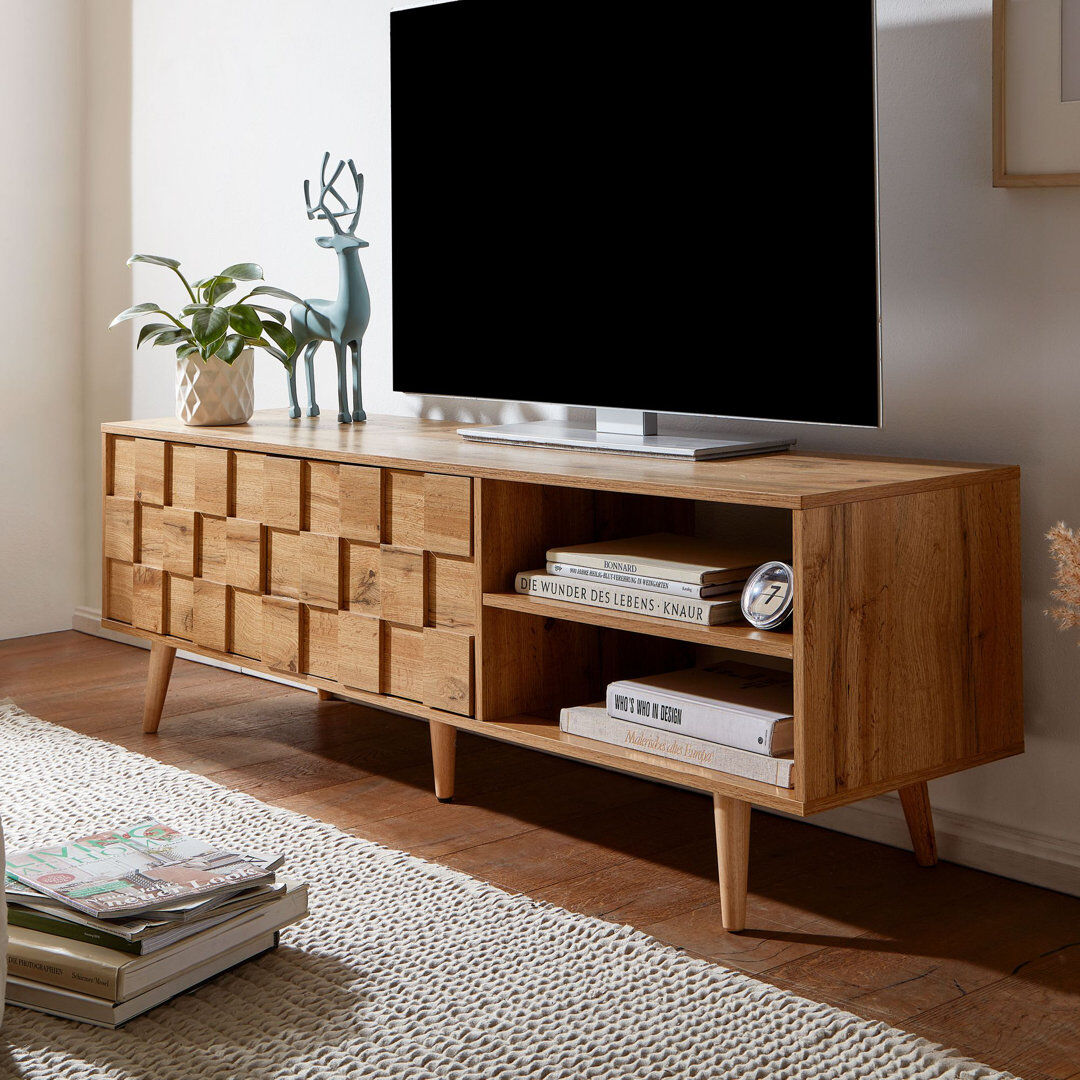
George Oliver TV-Lowboard Furr für TVs bis zu 70" Brown 70"Bring order and style to your living room with the Wohnling oak-effect TV stand. Its spacious rectangular top holds TVs up to 70 inches, while two handle-free push-to-open doors and two open compartments keep games consoles, receivers, DVDs and accessories tidy and within reach. Decorative tiled door fronts and a warm oak look add a modern touch that suits any interior, and solid oak legs give a sturdy, high-quality finish. Dimensions: 160 cm W x 40 cm D x 51 cm H. Door compartment (each): 50 x 32 x 38.5 cm. Open compartment (each): 55 x 15.5 x 40 cm. Floor clearance: 16 cm. Recommended maximum load: 25 kg. Material: laminated particle board in an oak finish with solid oak legs. Delivered flat-packed with assembly instructions and fittings included. Care: wipe with a soft, slightly damp cotton cloth; do not use abrasive or harsh cleaners. George Oliver194,99 £*Shipping: 0,00 £Secure redirect to the provider
-
Balta Rugs Mod-Tod Sherwood Kids Landscape Area RugInnovative and lush, this luxurious collection is the perfect practical and fashion forward upgrade. Combining 2 different yarn types creates a high end 3D effect with an ultra-soft feel featuring a high low pile.77,98 $*Shipping: 0,00 $Secure redirect to the provider
-
Balta Rugs Mod-Tod Animal Round Shag Kids RugGive room to grow and grow in your room with the Mod-Tod rug collection, designed with kids in mind. Using modern design elements to stimulate young minds, these perfect pieces are sure to spark imagination and joy.61,49 $*Shipping: 0,00 $Secure redirect to the provider


-
What are the components of phospholipids?
Phospholipids are composed of a glycerol molecule, two fatty acid chains, a phosphate group, and a polar head group. The fatty acid chains are hydrophobic, meaning they repel water, while the phosphate group and polar head group are hydrophilic, meaning they attract water. This unique structure allows phospholipids to form the lipid bilayer that makes up cell membranes, with the hydrophobic tails facing inward and the hydrophilic heads facing outward towards the water. **
-
Why do phospholipids form a double layer?
Phospholipids form a double layer, known as a lipid bilayer, because of their amphipathic nature. This means that they have both hydrophilic (water-attracting) and hydrophobic (water-repelling) regions. When phospholipids are placed in an aqueous environment, the hydrophobic tails naturally orient themselves away from the water, while the hydrophilic heads interact with the water. This arrangement allows phospholipids to form a stable barrier, such as the cell membrane, with the hydrophobic tails sandwiched between two layers of hydrophilic heads. This lipid bilayer structure provides a selective barrier that controls the movement of molecules in and out of the cell. **
-
What is the difference between phospholipids and triglycerides?
Phospholipids and triglycerides are both types of lipids, but they have different structures and functions. Phospholipids have two fatty acid chains and a phosphate group, which allows them to form cell membranes and act as emulsifiers. Triglycerides, on the other hand, have three fatty acid chains and are used primarily as energy storage molecules. Additionally, triglycerides are hydrophobic, while phospholipids have both hydrophobic and hydrophilic regions, making them amphipathic molecules. **
-
Why do phospholipids have different structures in water?
Phospholipids have different structures in water because of their amphiphilic nature. This means that they have both hydrophilic (water-attracting) and hydrophobic (water-repelling) regions. In water, phospholipids arrange themselves in a bilayer with the hydrophilic heads facing the water and the hydrophobic tails facing each other. This arrangement allows phospholipids to form cell membranes and other structures that are essential for the functioning of living organisms. The different structures of phospholipids in water allow them to fulfill their roles in maintaining the integrity and function of biological membranes. **


How do phospholipids from plant and animal sources differ?
Phospholipids from plant and animal sources differ in their fatty acid composition. Plant phospholipids typically contain higher levels of unsaturated fatty acids, such as linoleic and linolenic acids, while animal phospholipids contain higher levels of saturated fatty acids, such as palmitic and stearic acids. This difference in fatty acid composition can affect the physical properties of the phospholipids, such as their fluidity and melting point. Additionally, plant phospholipids may also contain unique fatty acids, such as alpha-linolenic acid, which are not typically found in animal phospholipids. **
What is the difference between 'zum' and 'bis zum'?
'Zum' is a preposition in German that means 'to' or 'until', while 'bis zum' means 'until'. The main difference between the two is that 'zum' is used to indicate a destination or endpoint, while 'bis zum' is used to specify a point in time or a deadline. For example, 'Ich gehe zum Supermarkt' means 'I am going to the supermarket', while 'Ich arbeite bis zum Abend' means 'I am working until the evening'. **
Top-Angebote
Products related to Phospholipids:
-
Uplifted Finds Solar Cemetery Memorial Lamp Waterproof Flameless LED Candle For Rituals & Gardens whiteCommand ultimate memorial confidence with the Solar Cemetery Ritual Lamp, a highperformance lighting solution specifically engineered to act as a comprehensive tool for elite organization and superior technical ergonomics. Built with a robust...45,97 $*Shipping: 0,00 $Secure redirect to the provider
-
GARVEE Artificial Chrysanthemum Cemetery Flowers with Vase & Ground Spikes–Outdoor Memorial Grave Decor for HeadstonesComplete cemetery flower set includes a 21-inch artificial carnation bouquet with 10 lifelike blooms and a durable vase with a 2.8-inch ground spike for secure outdoor placement.69,99 $*Shipping: 0,00 $Secure redirect to the provider
-
George Oliver TV-Lowboard Furr für TVs bis zu 70" Brown 70"Bring order and style to your living room with the Wohnling oak-effect TV stand. Its spacious rectangular top holds TVs up to 70 inches, while two handle-free push-to-open doors and two open compartments keep games consoles, receivers, DVDs and accessories tidy and within reach. Decorative tiled door fronts and a warm oak look add a modern touch that suits any interior, and solid oak legs give a sturdy, high-quality finish. Dimensions: 160 cm W x 40 cm D x 51 cm H. Door compartment (each): 50 x 32 x 38.5 cm. Open compartment (each): 55 x 15.5 x 40 cm. Floor clearance: 16 cm. Recommended maximum load: 25 kg. Material: laminated particle board in an oak finish with solid oak legs. Delivered flat-packed with assembly instructions and fittings included. Care: wipe with a soft, slightly damp cotton cloth; do not use abrasive or harsh cleaners. George Oliver194,99 £*Shipping: 0,00 £Secure redirect to the provider
-
Balta Rugs Mod-Tod Sherwood Kids Landscape Area RugInnovative and lush, this luxurious collection is the perfect practical and fashion forward upgrade. Combining 2 different yarn types creates a high end 3D effect with an ultra-soft feel featuring a high low pile.77,98 $*Shipping: 0,00 $Secure redirect to the provider
-
What exactly are phospholipids?
Phospholipids are a class of lipids that are a major component of cell membranes. They consist of a hydrophilic (water-attracting) head and two hydrophobic (water-repelling) tails. This unique structure allows phospholipids to form a bilayer in the cell membrane, with the hydrophilic heads facing the aqueous environment inside and outside the cell, and the hydrophobic tails facing each other in the middle of the membrane. This structure provides the cell membrane with its characteristic flexibility and selective permeability. **
-
What properties do phospholipids possess?
Phospholipids are a class of lipids that possess both hydrophilic (water-attracting) and hydrophobic (water-repelling) properties. This dual nature allows phospholipids to form the basic structure of cell membranes, with the hydrophilic head facing the watery environment and the hydrophobic tails facing inward. This arrangement creates a barrier that separates the interior of the cell from its external environment. Additionally, phospholipids are amphipathic, meaning they have both polar and nonpolar regions, which gives them the ability to self-assemble into bilayers and vesicles. **
-
What are the components of phospholipids?
Phospholipids are composed of a glycerol molecule, two fatty acid chains, a phosphate group, and a polar head group. The fatty acid chains are hydrophobic, meaning they repel water, while the phosphate group and polar head group are hydrophilic, meaning they attract water. This unique structure allows phospholipids to form the lipid bilayer that makes up cell membranes, with the hydrophobic tails facing inward and the hydrophilic heads facing outward towards the water. **
-
Why do phospholipids form a double layer?
Phospholipids form a double layer, known as a lipid bilayer, because of their amphipathic nature. This means that they have both hydrophilic (water-attracting) and hydrophobic (water-repelling) regions. When phospholipids are placed in an aqueous environment, the hydrophobic tails naturally orient themselves away from the water, while the hydrophilic heads interact with the water. This arrangement allows phospholipids to form a stable barrier, such as the cell membrane, with the hydrophobic tails sandwiched between two layers of hydrophilic heads. This lipid bilayer structure provides a selective barrier that controls the movement of molecules in and out of the cell. **
Similar search terms for Phospholipids
-
Balta Rugs Mod-Tod Animal Round Shag Kids RugGive room to grow and grow in your room with the Mod-Tod rug collection, designed with kids in mind. Using modern design elements to stimulate young minds, these perfect pieces are sure to spark imagination and joy.61,49 $*Shipping: 0,00 $Secure redirect to the provider
-
Garvee Artificial Cemetery Flower, Headstone Flower Saddle,Artificial cemetery roses flowers, UV resistant【Carnation Memorial Arrangement】This set includes an artificial carnation bouquet arranged with lifelike greenery and accent flowers, creating a respectful floral tribute for a loved one’s resting place.64,99 $*Shipping: 0,00 $Secure redirect to the provider
-
Inspired Finds Scary Halloween Door Cover Cemetery Pumpkin Moon Night Backdrop moonlit Pumpkin CemeteryTransform your entrance into a chilling Halloween scene with this Scary Halloween Door Cover. Featuring a moonlit cemetery, glowing pumpkins, dead trees, bats, and other classic horror details, the design instantly creates a spooky atmosphere for...34,99 $*Shipping: 0,00 $Secure redirect to the provider
-
What is the difference between phospholipids and triglycerides?
Phospholipids and triglycerides are both types of lipids, but they have different structures and functions. Phospholipids have two fatty acid chains and a phosphate group, which allows them to form cell membranes and act as emulsifiers. Triglycerides, on the other hand, have three fatty acid chains and are used primarily as energy storage molecules. Additionally, triglycerides are hydrophobic, while phospholipids have both hydrophobic and hydrophilic regions, making them amphipathic molecules. **
-
Why do phospholipids have different structures in water?
Phospholipids have different structures in water because of their amphiphilic nature. This means that they have both hydrophilic (water-attracting) and hydrophobic (water-repelling) regions. In water, phospholipids arrange themselves in a bilayer with the hydrophilic heads facing the water and the hydrophobic tails facing each other. This arrangement allows phospholipids to form cell membranes and other structures that are essential for the functioning of living organisms. The different structures of phospholipids in water allow them to fulfill their roles in maintaining the integrity and function of biological membranes. **
-
How do phospholipids from plant and animal sources differ?
Phospholipids from plant and animal sources differ in their fatty acid composition. Plant phospholipids typically contain higher levels of unsaturated fatty acids, such as linoleic and linolenic acids, while animal phospholipids contain higher levels of saturated fatty acids, such as palmitic and stearic acids. This difference in fatty acid composition can affect the physical properties of the phospholipids, such as their fluidity and melting point. Additionally, plant phospholipids may also contain unique fatty acids, such as alpha-linolenic acid, which are not typically found in animal phospholipids. **
-
What is the difference between 'zum' and 'bis zum'?
'Zum' is a preposition in German that means 'to' or 'until', while 'bis zum' means 'until'. The main difference between the two is that 'zum' is used to indicate a destination or endpoint, while 'bis zum' is used to specify a point in time or a deadline. For example, 'Ich gehe zum Supermarkt' means 'I am going to the supermarket', while 'Ich arbeite bis zum Abend' means 'I am working until the evening'. **
* All prices are inclusive of VAT and, if applicable, plus shipping costs. The offer information is based on the details provided by the respective shop and is updated through automated processes. Real-time updates do not occur, so deviations can occur in individual cases. ** Note: Parts of this content were created by AI.