Buy bis-zum-tod.eu ?
We are moving the project
bis-zum-tod.eu .
Are you interested in purchasing the domain
bis-zum-tod.eu ?
domain@kv-gmbh.de · 0541-91531010
Buy bis-zum-tod.eu ?
Which cells have chloroplasts?
Chloroplasts are found in plant cells and some algae cells. **
How are chloroplasts structured?
Chloroplasts are double-membrane organelles found in plant cells that contain their own DNA and ribosomes. They have a fluid-filled interior called the stroma, where the process of photosynthesis takes place. Within the stroma are stacks of thylakoid membranes called grana, which contain chlorophyll and other pigments that capture light energy. The thylakoid membranes are where the light-dependent reactions of photosynthesis occur, producing ATP and NADPH. Overall, the structure of chloroplasts is highly specialized for the process of photosynthesis, allowing plants to convert light energy into chemical energy. **


Similar search terms for Chloroplasts
Top-Angebote
Products related to Chloroplasts:
-
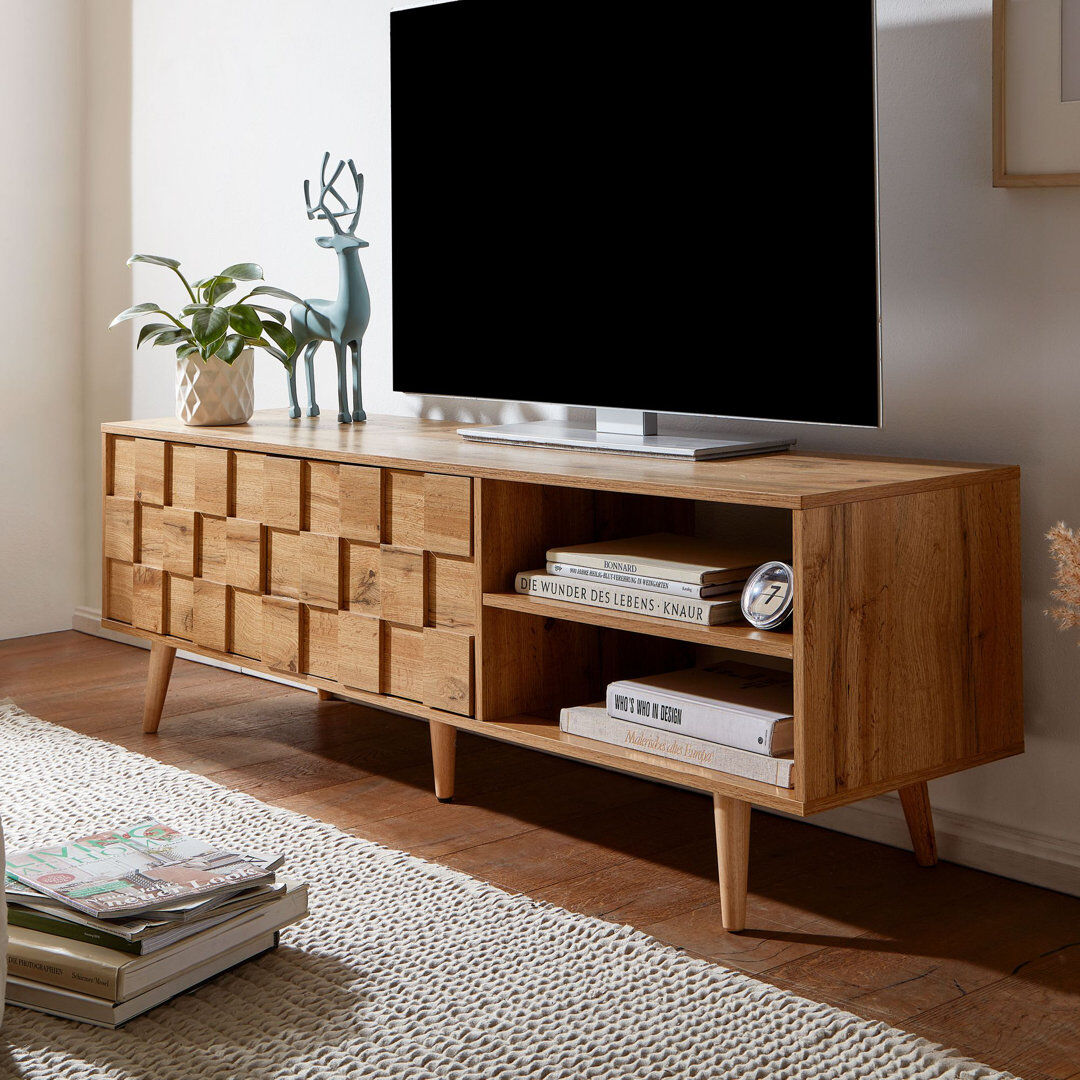
George Oliver TV-Lowboard Furr für TVs bis zu 70" Brown 70"Bring order and style to your living room with the Wohnling oak-effect TV stand. Its spacious rectangular top holds TVs up to 70 inches, while two handle-free push-to-open doors and two open compartments keep games consoles, receivers, DVDs and accessories tidy and within reach. Decorative tiled door fronts and a warm oak look add a modern touch that suits any interior, and solid oak legs give a sturdy, high-quality finish. Dimensions: 160 cm W x 40 cm D x 51 cm H. Door compartment (each): 50 x 32 x 38.5 cm. Open compartment (each): 55 x 15.5 x 40 cm. Floor clearance: 16 cm. Recommended maximum load: 25 kg. Material: laminated particle board in an oak finish with solid oak legs. Delivered flat-packed with assembly instructions and fittings included. Care: wipe with a soft, slightly damp cotton cloth; do not use abrasive or harsh cleaners. George Oliver194,99 £*Shipping: 0,00 £Secure redirect to the provider
-
Garvee Artificial Cemetery Flower, Headstone Flower Saddle,Artificial cemetery roses flowers, UV resistant【Carnation Memorial Arrangement】This set includes an artificial carnation bouquet arranged with lifelike greenery and accent flowers, creating a respectful floral tribute for a loved one’s resting place.64,99 $*Shipping: 0,00 $Secure redirect to the provider
-
Balta Rugs Mod-Tod Parker Dinosaur Kids Area RugThe Mod-Tod Kids' Rug Collection is designed specifically with kids in mind. Plush and ultra-soft, this polypropylene rug is conveniently kid and pet friendly, easy care, non-shedding, stain resistant, and is well-suited for high-traffic areas.55,48 $*Shipping: 0,00 $Secure redirect to the provider


-
What are mitochondria and chloroplasts?
Mitochondria are membrane-bound organelles found in the cells of eukaryotic organisms, responsible for producing energy in the form of ATP through cellular respiration. They have their own DNA and are thought to have originated from ancient bacteria through endosymbiosis. Chloroplasts are also membrane-bound organelles found in plant cells and some protists, responsible for photosynthesis, the process by which they convert sunlight into energy-rich molecules like glucose. Like mitochondria, chloroplasts also have their own DNA and are believed to have originated from ancient photosynthetic bacteria through endosymbiosis. **
-
Can humans also have chloroplasts?
No, humans cannot have chloroplasts. Chloroplasts are organelles found in plant cells that are responsible for photosynthesis, the process by which plants convert sunlight into energy. Humans do not have chloroplasts because they do not undergo photosynthesis. Instead, humans rely on the consumption of plants and other organisms to obtain the energy they need for survival. **
-
How are chloroplasts and plastids formed?
Chloroplasts and plastids are formed through a process called biogenesis, which involves the replication of existing organelles. They are believed to have originated from endosymbiotic cyanobacteria that were engulfed by a eukaryotic cell. Over time, these cyanobacteria evolved into chloroplasts and plastids, developing a symbiotic relationship with the host cell. This process allowed for the transfer of genetic material between the organelles and the host cell, leading to the formation of chloroplasts and plastids as we know them today. **
-
What are the functions of chloroplasts?
Chloroplasts are the organelles responsible for photosynthesis in plant cells. Their main function is to capture light energy and convert it into chemical energy in the form of glucose, which serves as the primary source of energy for the plant. Chloroplasts also contain chlorophyll, the green pigment that gives plants their color and is essential for the absorption of light during photosynthesis. Additionally, chloroplasts are involved in the synthesis of other important molecules, such as amino acids and lipids, and play a role in the regulation of cellular metabolism. **


Why do chloroplasts have a double membrane?
Chloroplasts have a double membrane because they are believed to have originated from a process called endosymbiosis, where a eukaryotic cell engulfed a photosynthetic prokaryote. The double membrane likely represents the original prokaryotic cell's plasma membrane and the membrane of the vesicle that engulfed it. This double membrane structure helps protect the chloroplast's internal structures and allows for compartmentalization of different metabolic processes within the organelle. **
In which leaf cells are chloroplasts located?
Chloroplasts are located in the mesophyll cells of the leaf. Mesophyll cells are the main site of photosynthesis in the leaf, and they contain numerous chloroplasts, which are responsible for capturing light energy and converting it into chemical energy through the process of photosynthesis. The chloroplasts contain the pigment chlorophyll, which gives leaves their green color and is essential for the absorption of light energy. **
Top-Angebote
Products related to Chloroplasts:
-
Uplifted Finds Solar Cemetery Memorial Lamp Waterproof Flameless LED Candle For Rituals & Gardens whiteCommand ultimate memorial confidence with the Solar Cemetery Ritual Lamp, a highperformance lighting solution specifically engineered to act as a comprehensive tool for elite organization and superior technical ergonomics. Built with a robust...45,97 $*Shipping: 0,00 $Secure redirect to the provider
-
GARVEE Artificial Chrysanthemum Cemetery Flowers with Vase & Ground Spikes–Outdoor Memorial Grave Decor for HeadstonesComplete cemetery flower set includes a 21-inch artificial carnation bouquet with 10 lifelike blooms and a durable vase with a 2.8-inch ground spike for secure outdoor placement.69,99 $*Shipping: 0,00 $Secure redirect to the provider
-
George Oliver TV-Lowboard Furr für TVs bis zu 70" Brown 70"Bring order and style to your living room with the Wohnling oak-effect TV stand. Its spacious rectangular top holds TVs up to 70 inches, while two handle-free push-to-open doors and two open compartments keep games consoles, receivers, DVDs and accessories tidy and within reach. Decorative tiled door fronts and a warm oak look add a modern touch that suits any interior, and solid oak legs give a sturdy, high-quality finish. Dimensions: 160 cm W x 40 cm D x 51 cm H. Door compartment (each): 50 x 32 x 38.5 cm. Open compartment (each): 55 x 15.5 x 40 cm. Floor clearance: 16 cm. Recommended maximum load: 25 kg. Material: laminated particle board in an oak finish with solid oak legs. Delivered flat-packed with assembly instructions and fittings included. Care: wipe with a soft, slightly damp cotton cloth; do not use abrasive or harsh cleaners. George Oliver194,99 £*Shipping: 0,00 £Secure redirect to the provider
-
Garvee Artificial Cemetery Flower, Headstone Flower Saddle,Artificial cemetery roses flowers, UV resistant【Carnation Memorial Arrangement】This set includes an artificial carnation bouquet arranged with lifelike greenery and accent flowers, creating a respectful floral tribute for a loved one’s resting place.64,99 $*Shipping: 0,00 $Secure redirect to the provider
-
Which cells have chloroplasts?
Chloroplasts are found in plant cells and some algae cells. **
-
How are chloroplasts structured?
Chloroplasts are double-membrane organelles found in plant cells that contain their own DNA and ribosomes. They have a fluid-filled interior called the stroma, where the process of photosynthesis takes place. Within the stroma are stacks of thylakoid membranes called grana, which contain chlorophyll and other pigments that capture light energy. The thylakoid membranes are where the light-dependent reactions of photosynthesis occur, producing ATP and NADPH. Overall, the structure of chloroplasts is highly specialized for the process of photosynthesis, allowing plants to convert light energy into chemical energy. **
-
What are mitochondria and chloroplasts?
Mitochondria are membrane-bound organelles found in the cells of eukaryotic organisms, responsible for producing energy in the form of ATP through cellular respiration. They have their own DNA and are thought to have originated from ancient bacteria through endosymbiosis. Chloroplasts are also membrane-bound organelles found in plant cells and some protists, responsible for photosynthesis, the process by which they convert sunlight into energy-rich molecules like glucose. Like mitochondria, chloroplasts also have their own DNA and are believed to have originated from ancient photosynthetic bacteria through endosymbiosis. **
-
Can humans also have chloroplasts?
No, humans cannot have chloroplasts. Chloroplasts are organelles found in plant cells that are responsible for photosynthesis, the process by which plants convert sunlight into energy. Humans do not have chloroplasts because they do not undergo photosynthesis. Instead, humans rely on the consumption of plants and other organisms to obtain the energy they need for survival. **
Similar search terms for Chloroplasts
-
Balta Rugs Mod-Tod Parker Dinosaur Kids Area RugThe Mod-Tod Kids' Rug Collection is designed specifically with kids in mind. Plush and ultra-soft, this polypropylene rug is conveniently kid and pet friendly, easy care, non-shedding, stain resistant, and is well-suited for high-traffic areas.55,48 $*Shipping: 0,00 $Secure redirect to the provider
-
Balta Rugs Mod-Tod Sherwood Kids Landscape Area RugInnovative and lush, this luxurious collection is the perfect practical and fashion forward upgrade. Combining 2 different yarn types creates a high end 3D effect with an ultra-soft feel featuring a high low pile.77,98 $*Shipping: 0,00 $Secure redirect to the provider
-
How are chloroplasts and plastids formed?
Chloroplasts and plastids are formed through a process called biogenesis, which involves the replication of existing organelles. They are believed to have originated from endosymbiotic cyanobacteria that were engulfed by a eukaryotic cell. Over time, these cyanobacteria evolved into chloroplasts and plastids, developing a symbiotic relationship with the host cell. This process allowed for the transfer of genetic material between the organelles and the host cell, leading to the formation of chloroplasts and plastids as we know them today. **
-
What are the functions of chloroplasts?
Chloroplasts are the organelles responsible for photosynthesis in plant cells. Their main function is to capture light energy and convert it into chemical energy in the form of glucose, which serves as the primary source of energy for the plant. Chloroplasts also contain chlorophyll, the green pigment that gives plants their color and is essential for the absorption of light during photosynthesis. Additionally, chloroplasts are involved in the synthesis of other important molecules, such as amino acids and lipids, and play a role in the regulation of cellular metabolism. **
-
Why do chloroplasts have a double membrane?
Chloroplasts have a double membrane because they are believed to have originated from a process called endosymbiosis, where a eukaryotic cell engulfed a photosynthetic prokaryote. The double membrane likely represents the original prokaryotic cell's plasma membrane and the membrane of the vesicle that engulfed it. This double membrane structure helps protect the chloroplast's internal structures and allows for compartmentalization of different metabolic processes within the organelle. **
-
In which leaf cells are chloroplasts located?
Chloroplasts are located in the mesophyll cells of the leaf. Mesophyll cells are the main site of photosynthesis in the leaf, and they contain numerous chloroplasts, which are responsible for capturing light energy and converting it into chemical energy through the process of photosynthesis. The chloroplasts contain the pigment chlorophyll, which gives leaves their green color and is essential for the absorption of light energy. **
* All prices are inclusive of VAT and, if applicable, plus shipping costs. The offer information is based on the details provided by the respective shop and is updated through automated processes. Real-time updates do not occur, so deviations can occur in individual cases. ** Note: Parts of this content were created by AI.