Buy bis-zum-tod.eu ?
We are moving the project
bis-zum-tod.eu .
Are you interested in purchasing the domain
bis-zum-tod.eu ?
domain@kv-gmbh.de · 0541-91531010
Buy bis-zum-tod.eu ?
How is ATP formed?
ATP is formed through the process of cellular respiration, which occurs in the mitochondria of cells. During cellular respiration, glucose is broken down in a series of steps, releasing energy that is used to convert ADP (adenosine diphosphate) into ATP (adenosine triphosphate). This process involves the electron transport chain and the production of ATP synthase, which adds a phosphate group to ADP to form ATP. Overall, ATP is formed through the transfer of energy from glucose to ADP, creating a molecule that serves as the primary energy source for cellular activities. **
What is ATP explained simply?
ATP, or adenosine triphosphate, is often referred to as the "energy currency" of the cell. It is a molecule that stores and transfers energy within cells for various cellular processes. When ATP is broken down into ADP (adenosine diphosphate) and inorganic phosphate, energy is released and can be used by the cell to fuel activities such as muscle contractions, nerve impulses, and protein synthesis. In essence, ATP provides the necessary energy for cells to carry out their functions and maintain life. **
Similar search terms for ATP
Top-Angebote
Products related to ATP:
-
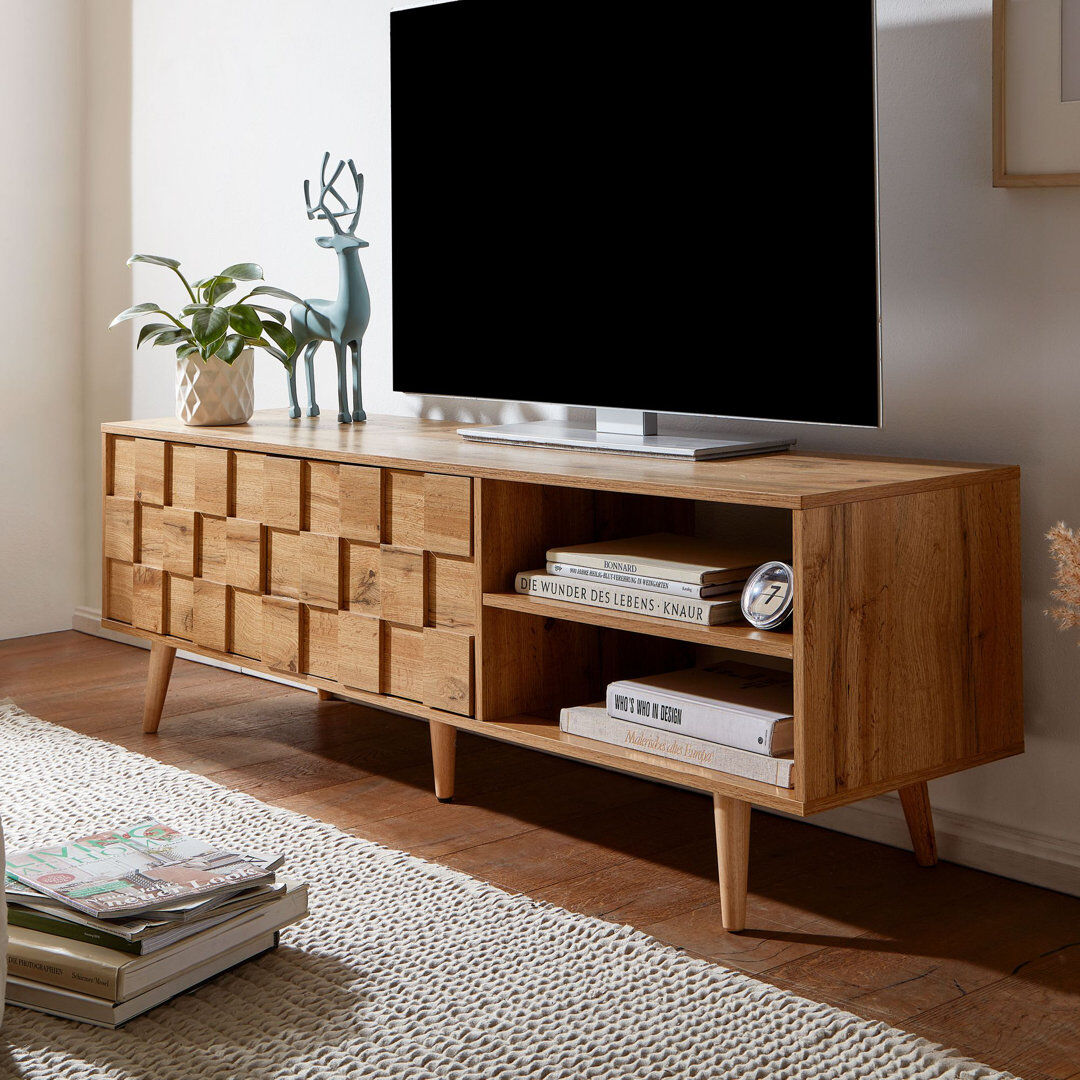
George Oliver TV-Lowboard Furr für TVs bis zu 70" Brown 70"Bring order and style to your living room with the Wohnling oak-effect TV stand. Its spacious rectangular top holds TVs up to 70 inches, while two handle-free push-to-open doors and two open compartments keep games consoles, receivers, DVDs and accessories tidy and within reach. Decorative tiled door fronts and a warm oak look add a modern touch that suits any interior, and solid oak legs give a sturdy, high-quality finish. Dimensions: 160 cm W x 40 cm D x 51 cm H. Door compartment (each): 50 x 32 x 38.5 cm. Open compartment (each): 55 x 15.5 x 40 cm. Floor clearance: 16 cm. Recommended maximum load: 25 kg. Material: laminated particle board in an oak finish with solid oak legs. Delivered flat-packed with assembly instructions and fittings included. Care: wipe with a soft, slightly damp cotton cloth; do not use abrasive or harsh cleaners. George Oliver194,99 £*Shipping: 0,00 £Secure redirect to the provider
-
Balta Rugs Mod-Tod Parker Dinosaur Kids Area RugThe Mod-Tod Kids' Rug Collection is designed specifically with kids in mind. Plush and ultra-soft, this polypropylene rug is conveniently kid and pet friendly, easy care, non-shedding, stain resistant, and is well-suited for high-traffic areas.55,48 $*Shipping: 0,00 $Secure redirect to the provider
-
Balta Rugs Mod-Tod Sherwood Kids Landscape Area RugInnovative and lush, this luxurious collection is the perfect practical and fashion forward upgrade. Combining 2 different yarn types creates a high end 3D effect with an ultra-soft feel featuring a high low pile.77,98 $*Shipping: 0,00 $Secure redirect to the provider


-
What are glucose and ATP?
Glucose is a simple sugar that serves as the primary source of energy for our cells. It is obtained from the food we eat and is broken down through a series of metabolic processes to produce ATP (adenosine triphosphate). ATP is often referred to as the "energy currency" of the cell because it stores and transfers energy within cells for various cellular functions. Both glucose and ATP play crucial roles in providing energy for the body to carry out its daily functions. **
-
What are ATP and ADP?
ATP (adenosine triphosphate) is a molecule that stores and transfers energy within cells. It is often referred to as the "energy currency" of the cell because it provides the energy needed for various cellular processes. When ATP is used for energy, it is converted to ADP (adenosine diphosphate) by releasing one phosphate group, along with the energy stored in the bond. ADP can then be converted back to ATP through cellular respiration to replenish the cell's energy supply. **
-
Where does ATP come from?
ATP, or adenosine triphosphate, is produced in the mitochondria of cells through a process called cellular respiration. During cellular respiration, glucose is broken down in the presence of oxygen to produce ATP, which serves as the primary energy source for cellular activities. Additionally, ATP can also be generated through the process of photosynthesis in plant cells, where sunlight is used to convert carbon dioxide and water into glucose and oxygen, ultimately leading to the production of ATP. **
-
What is ATP in biology?
ATP, or adenosine triphosphate, is a molecule that serves as the primary energy currency in living organisms. It is composed of an adenosine molecule and three phosphate groups, and its high-energy phosphate bonds store and release energy for cellular processes. ATP is produced during cellular respiration and photosynthesis, and it is used to power various biological processes such as muscle contraction, active transport, and chemical synthesis. In essence, ATP is essential for the functioning and survival of all living organisms. **


What is the difference between 'zum' and 'bis zum'?
'Zum' is a preposition in German that means 'to' or 'until', while 'bis zum' means 'until'. The main difference between the two is that 'zum' is used to indicate a destination or endpoint, while 'bis zum' is used to specify a point in time or a deadline. For example, 'Ich gehe zum Supermarkt' means 'I am going to the supermarket', while 'Ich arbeite bis zum Abend' means 'I am working until the evening'. **
What is the meaning of ATP?
ATP stands for adenosine triphosphate, which is a molecule that serves as the primary energy carrier in cells. It is often referred to as the "energy currency" of the cell because it provides the energy necessary for various cellular processes, such as muscle contraction, nerve impulse transmission, and chemical synthesis. ATP is produced through cellular respiration and is used by cells to fuel their metabolic activities. **
Top-Angebote
Products related to ATP:
-
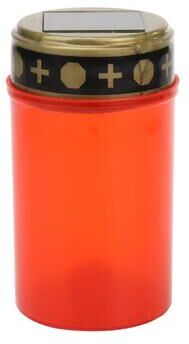
Uplifted Finds Solar Cemetery Memorial Lamp Waterproof Flameless LED Candle For Rituals & Gardens redCommand ultimate memorial confidence with the Solar Cemetery Ritual Lamp, a highperformance lighting solution specifically engineered to act as a comprehensive tool for elite organization and superior technical ergonomics. Built with a robust...45,97 $*Shipping: 0,00 $Secure redirect to the provider
-
GARVEE Artificial Chrysanthemum Cemetery Flowers with Vase & Ground Spikes–Outdoor Memorial Grave Decor for HeadstonesComplete cemetery flower set includes a 21-inch artificial carnation bouquet with 10 lifelike blooms and a durable vase with a 2.8-inch ground spike for secure outdoor placement.69,99 $*Shipping: 0,00 $Secure redirect to the provider
-
George Oliver TV-Lowboard Furr für TVs bis zu 70" Brown 70"Bring order and style to your living room with the Wohnling oak-effect TV stand. Its spacious rectangular top holds TVs up to 70 inches, while two handle-free push-to-open doors and two open compartments keep games consoles, receivers, DVDs and accessories tidy and within reach. Decorative tiled door fronts and a warm oak look add a modern touch that suits any interior, and solid oak legs give a sturdy, high-quality finish. Dimensions: 160 cm W x 40 cm D x 51 cm H. Door compartment (each): 50 x 32 x 38.5 cm. Open compartment (each): 55 x 15.5 x 40 cm. Floor clearance: 16 cm. Recommended maximum load: 25 kg. Material: laminated particle board in an oak finish with solid oak legs. Delivered flat-packed with assembly instructions and fittings included. Care: wipe with a soft, slightly damp cotton cloth; do not use abrasive or harsh cleaners. George Oliver194,99 £*Shipping: 0,00 £Secure redirect to the provider
-
Balta Rugs Mod-Tod Parker Dinosaur Kids Area RugThe Mod-Tod Kids' Rug Collection is designed specifically with kids in mind. Plush and ultra-soft, this polypropylene rug is conveniently kid and pet friendly, easy care, non-shedding, stain resistant, and is well-suited for high-traffic areas.55,48 $*Shipping: 0,00 $Secure redirect to the provider
-
How is ATP formed?
ATP is formed through the process of cellular respiration, which occurs in the mitochondria of cells. During cellular respiration, glucose is broken down in a series of steps, releasing energy that is used to convert ADP (adenosine diphosphate) into ATP (adenosine triphosphate). This process involves the electron transport chain and the production of ATP synthase, which adds a phosphate group to ADP to form ATP. Overall, ATP is formed through the transfer of energy from glucose to ADP, creating a molecule that serves as the primary energy source for cellular activities. **
-
What is ATP explained simply?
ATP, or adenosine triphosphate, is often referred to as the "energy currency" of the cell. It is a molecule that stores and transfers energy within cells for various cellular processes. When ATP is broken down into ADP (adenosine diphosphate) and inorganic phosphate, energy is released and can be used by the cell to fuel activities such as muscle contractions, nerve impulses, and protein synthesis. In essence, ATP provides the necessary energy for cells to carry out their functions and maintain life. **
-
What are glucose and ATP?
Glucose is a simple sugar that serves as the primary source of energy for our cells. It is obtained from the food we eat and is broken down through a series of metabolic processes to produce ATP (adenosine triphosphate). ATP is often referred to as the "energy currency" of the cell because it stores and transfers energy within cells for various cellular functions. Both glucose and ATP play crucial roles in providing energy for the body to carry out its daily functions. **
-
What are ATP and ADP?
ATP (adenosine triphosphate) is a molecule that stores and transfers energy within cells. It is often referred to as the "energy currency" of the cell because it provides the energy needed for various cellular processes. When ATP is used for energy, it is converted to ADP (adenosine diphosphate) by releasing one phosphate group, along with the energy stored in the bond. ADP can then be converted back to ATP through cellular respiration to replenish the cell's energy supply. **
Similar search terms for ATP
-
Balta Rugs Mod-Tod Sherwood Kids Landscape Area RugInnovative and lush, this luxurious collection is the perfect practical and fashion forward upgrade. Combining 2 different yarn types creates a high end 3D effect with an ultra-soft feel featuring a high low pile.77,98 $*Shipping: 0,00 $Secure redirect to the provider
-
Calvin Klein Eternity 100ml 3pc GiftsetDiscover Calvin Klein Eternity for Women, a timeless floral fragrance inspired by lasting love and modern romance. Fresh freesia, citrus and sage lead into a graceful bouquet of white flowers, finishing with warm sandalwood, amber and patchouli. The body lotion and travel spray make it easy to layer and enjoy the fragrance throughout the day, creating an elegant gift for any occasion. Giftset Includes: Calvin Klein Eternity Eau de Parfum Spray 100ml Calvin Klein Eternity Body Lotion 100ml Calvin Klein Eternity Eau de Parfum Spray 10ml39,95 £*Shipping: 3,99 £Secure redirect to the provider
-
Uplifted Finds Solar Cemetery Memorial Lamp Waterproof Flameless LED Candle For Rituals & Gardens whiteCommand ultimate memorial confidence with the Solar Cemetery Ritual Lamp, a highperformance lighting solution specifically engineered to act as a comprehensive tool for elite organization and superior technical ergonomics. Built with a robust...45,97 $*Shipping: 0,00 $Secure redirect to the provider
-
Where does ATP come from?
ATP, or adenosine triphosphate, is produced in the mitochondria of cells through a process called cellular respiration. During cellular respiration, glucose is broken down in the presence of oxygen to produce ATP, which serves as the primary energy source for cellular activities. Additionally, ATP can also be generated through the process of photosynthesis in plant cells, where sunlight is used to convert carbon dioxide and water into glucose and oxygen, ultimately leading to the production of ATP. **
-
What is ATP in biology?
ATP, or adenosine triphosphate, is a molecule that serves as the primary energy currency in living organisms. It is composed of an adenosine molecule and three phosphate groups, and its high-energy phosphate bonds store and release energy for cellular processes. ATP is produced during cellular respiration and photosynthesis, and it is used to power various biological processes such as muscle contraction, active transport, and chemical synthesis. In essence, ATP is essential for the functioning and survival of all living organisms. **
-
What is the difference between 'zum' and 'bis zum'?
'Zum' is a preposition in German that means 'to' or 'until', while 'bis zum' means 'until'. The main difference between the two is that 'zum' is used to indicate a destination or endpoint, while 'bis zum' is used to specify a point in time or a deadline. For example, 'Ich gehe zum Supermarkt' means 'I am going to the supermarket', while 'Ich arbeite bis zum Abend' means 'I am working until the evening'. **
-
What is the meaning of ATP?
ATP stands for adenosine triphosphate, which is a molecule that serves as the primary energy carrier in cells. It is often referred to as the "energy currency" of the cell because it provides the energy necessary for various cellular processes, such as muscle contraction, nerve impulse transmission, and chemical synthesis. ATP is produced through cellular respiration and is used by cells to fuel their metabolic activities. **
* All prices are inclusive of VAT and, if applicable, plus shipping costs. The offer information is based on the details provided by the respective shop and is updated through automated processes. Real-time updates do not occur, so deviations can occur in individual cases. ** Note: Parts of this content were created by AI.